Latest from Entertainment Law Resources

I. IntroductionIn February 2026, Paramount Global signed a $110 billion agreement to acquire Warner Bros. Discovery, setting the stage for one of the largest media combinations in recent memory.1 The transaction, engineered by David Ellison’s Paramount Skydance and valued at approximately $111 billion, would consolidate two of the six remaining major Hollywood studios into a

Netflix’s announced purchase of Warner Bros. for $82.7 billion represents the most consequential media merger in modern history, potentially ending the streaming wars while threatening to fundamentally reshape how movies reach audiences.[1] The Deal That Changes Everything The transaction brings together the world’s largest streaming platform—with over 300 million subscribers—and a 102-year-old studio housing some of entertainment’s

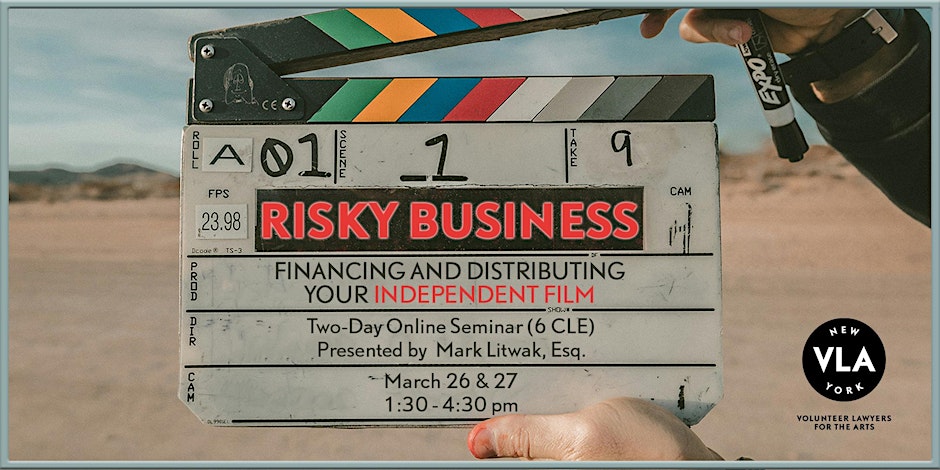
The independent film industry has undergone a seismic transformation in recent years, fundamentally altering how filmmakers finance, distribute, and monetize their work. While 2025 has brought some encouraging signs of theatrical recovery, the path to profitability has become far more complex—and paradoxically, both more challenging and more opportunity-rich than ever before. The Box Office Renaissance: Real

​ I recently attended the USC-BHBA Institute on Entertainment Law and Business, where a panel discussed some of the latest developments in defamation law. A number of interesting cases were discussed, including a lawsuit brought against Netflix regarding its hit series The Queen’s Gambit, based on a novel with the same title. For those not familiar with

I recently tried out a new AI assistant that generated the following article for me about how the movie industry has changed in the past decade:​The Transformation of the Movie Industry: A Decade of Disruption (2015-2025)The past ten years have witnessed one of the most dramatic transformations in Hollywood history, fundamentally reshaping how movies are

​Many filmmakers may not understand that every country applies their own copyright law. There is no international copyright law that applies universally across the globe. The United States has joined several international copyright conventions to protect American works from infringement in foreign countries. These accords essentially provide for reciprocity of treatment of foreign nationals. For example,

Writers and filmmakers need to understand their legal rights and how to defend themselves from those who may seek to exploit them or falsely claim their rights have been infringed. This seminar explains how writers and filmmakers can prevent problems from arising by properly securing underlying rights, and by encouraging other parties to live up