
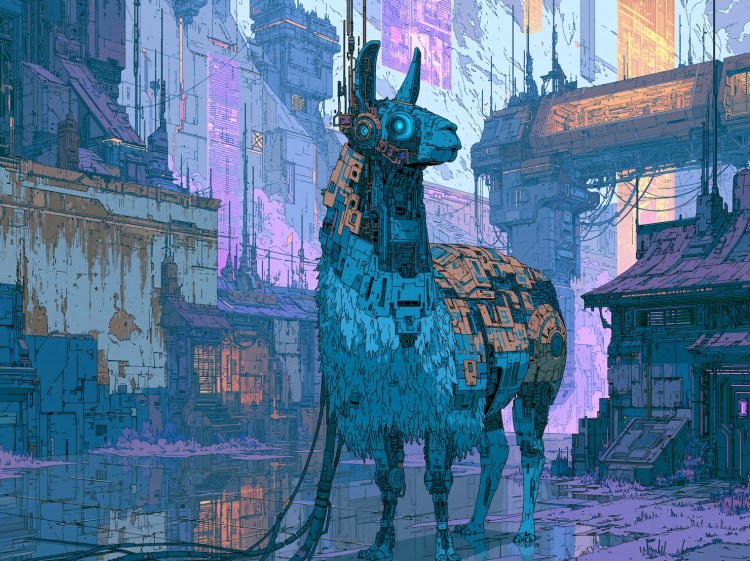
 A few days ago there was an interesting post by Andrew Curran that got a lot of responses which was discussing why AI in science fiction often does not have the capabilities that AI already has in reality. I thoroughly agree with that take, but I think that there is much more going on in
Latest from TechnoLlama
Androids do dream of electric sheep, so where next for copyright?
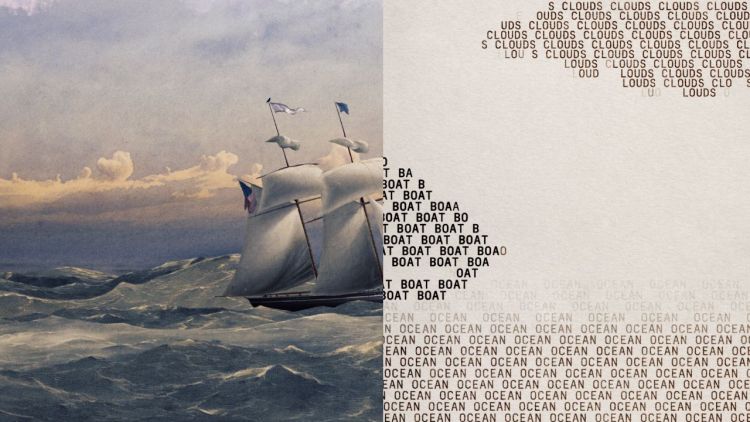 For years I was not really interested in the subject of AI consciousness, it was one of those subjects that I equated with unreasonableness at the extremes of the debate, but in which I did not have any strong opinions. This has been changing recently as the capabilities of AI continue to improve, and I
Smart glasses, augmented reality, and always-on surveillance
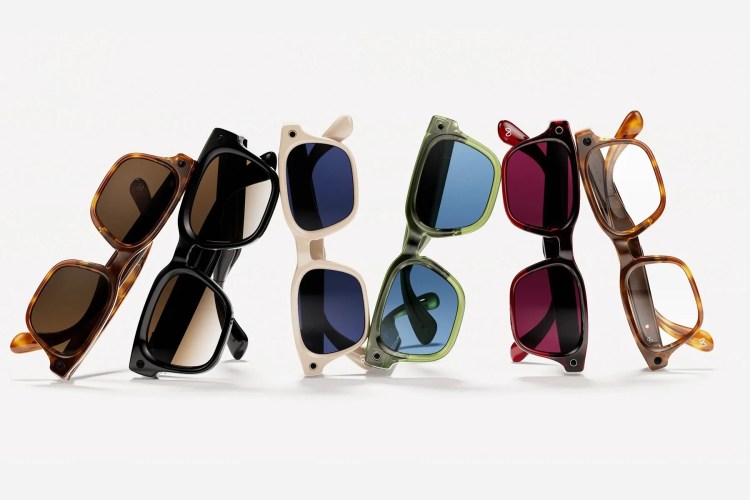 Back in 2013, Google developed a controversial piece of gear that has long lived in infamy, Google Glass. This was an interesting proto-AR wearable device that contained a camera, earphones, a touchpad, and a small display that was heralded as the start of the augmented reality revolution. The device had been announced a year earlier,
The under-16 social media ban and the rise of “show me your papers” internet
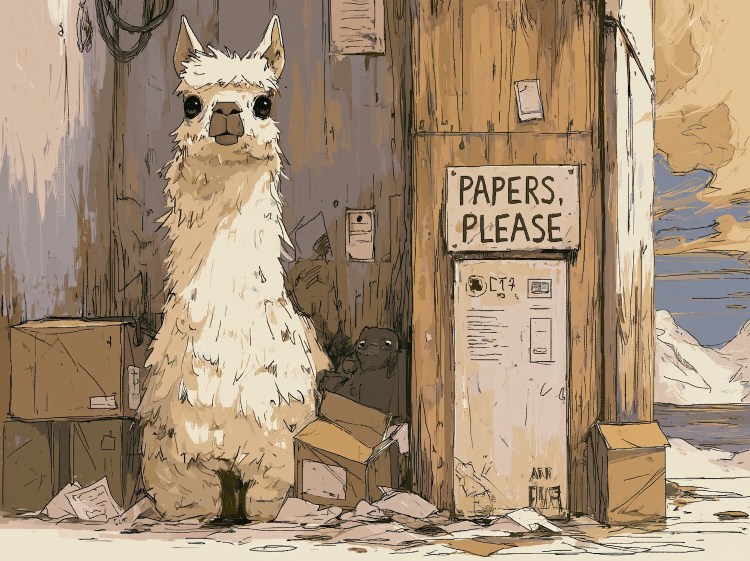 There’s a small indie game from 2013 that I think about often. In Lucas Pope’s Papers, Please you play an immigration inspector at the border of the gloriously miserable communist republic of Arstotzka, and your entire job is to scrutinise documents. Passport here, entry permit there. Does the photo match the face? Does the date
Fable and the impending AI Cold War
 Even by the standards of AI development, where each month often feels like a year, this has been quite the week. Back in April, Anthropic unveiled Claude Mythos, a frontier model that was supposed to be exceptionally capable of finding and exploiting software vulnerabilities, which led the company to delay its public release, which is
Copyright implications of super-intelligence
 I haven’t really written about machine consciousness, super-intelligence, or artificial general intelligence (AGI) before; I never felt the need, and some of the questions on AI consciousness are entirely outside of my area of expertise. I have always assumed that some sort of AI consciousness would be achieved in the far future, but not within
Open source and commons ideals are more important than ever
 If you asked me to name the topic I’d class as my core academic specialisation, you’d probably guess artificial intelligence, and you’d be wrong, or at least premature, that one came later. The real answer is openness: open access, open source, open content, the Commons, non-proprietary licensing. This was the subject of my first publications,
Why AI slop is taking over the world
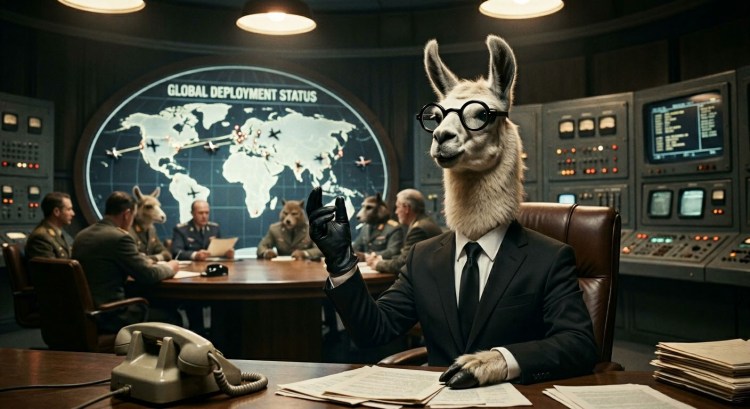 Doctor Strangellama: or How I Stopped Worrying and Learned to Love AI Slop.
If you were paying attention to music news last month, you may have come across a curious story, unnerving even depending on your priors. An AI-generated artist called IngaRose climbed to the top of the iTunes music charts after becoming viral in
Pastiche or cliché? What Pelham II might mean for AI outputs
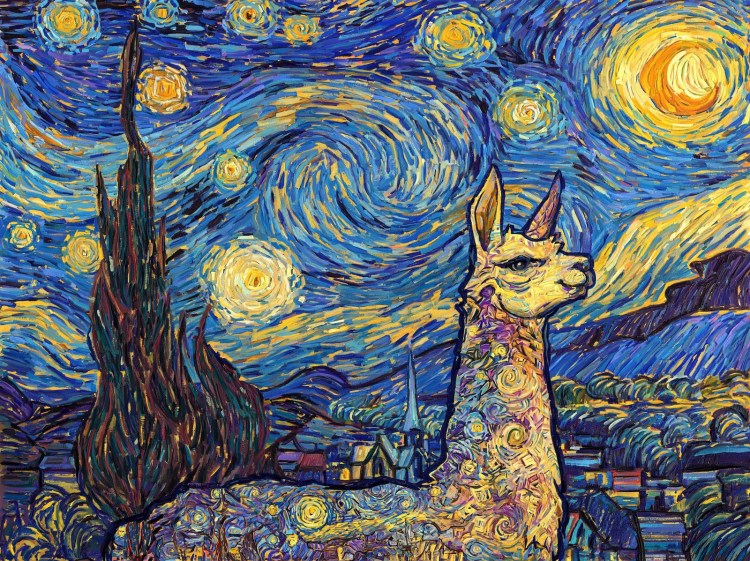 Pastiche?
Regular readers will know that I have been interested in the pastiche exception for a while now, mostly because it has always struck me as the most underused exceptions under modern copyright law in Europe and the UK. Perhaps it is not surprising that parody gets all the attention, caricature gets a polite nod,
Why are people adopting AI to write?
The last few weeks I have witnessed a number of interesting discussions breaking out on social media. A couple of weeks ago a US-based academic admitted using AI in some of his writing, which prompted a response from a prominent AI researcher. I’m not interested in commenting on the particulars […]