
In November 2025, one of the first climate-related asylum appeals was reviewed in the UK, by the UK’s First-tier Tribunal (Immigration and Asylum Chamber) and approved on human rights grounds. In FA v Secretary of State for the Home Department (SSHD), the appellant (FA) argued that climate-related hardship, poor mental health relating to the
Latest from Climate Law Blog
Unpacking New York State’s Rollback of its Landmark Climate Law
On May 26, as part of the FY 2026-27 budget, New York State enacted significant revisions to its 2019 Climate Leadership and Community Protection Act (CLCPA or Act). The amendments amount to a substantial rollback of the Act’s ambition.

For the last seven years, the
Data Center Regulation: What Local Governments Should Know about Large-Load Tariffs and Clean Transition Tariffs
The proliferation of data centers across the United States represents new “loads” (i.e., sources of demand) on the electrical grid. Data centers require enormous amounts of energy to power and cool their computing systems that operate continuously or near-continuously. To meet this demand, new energy infrastructure—both generation and transmission—will need to be developed.
For local
Climate Disclosure in Retreat
 At every level of government, greenhouse gas (GHG) emissions disclosure regulations that saw meaningful progress only a few years ago are now in retreat. Last week, the Securities and Exchange Commission (SEC) proposed rescinding its 2024 corporate climate-disclosure rule, and New York Governor Kathy Hochul persuaded legislators to weaken the state’s landmark climate law,
Community Benefits Agreements and Data Center Development
Data center development and its climate, environmental, and energy impacts have emerged as a central and hotly debated issue facing local governments in 2026. Various studies have explored, among other things, the large amounts of land required for data centers; their immense use of energy and water ; their greenhouse gas emissions and other
The Legal Framework for Direct Ocean Carbon Capture and Storage
Interest in marine carbon dioxide removal (mCDR) has risen in the last decade as the deadlines to meet global climate temperature goals draw closer. The Intergovernmental Panel on Climate Change (IPCC) tells us that the 1.5°C and 2°C temperature targets outlined in the Paris Agreement require net zero emissions, which in turn requires some use
Local Moratoria Against Data Center Construction: Considerations for Municipal Governments
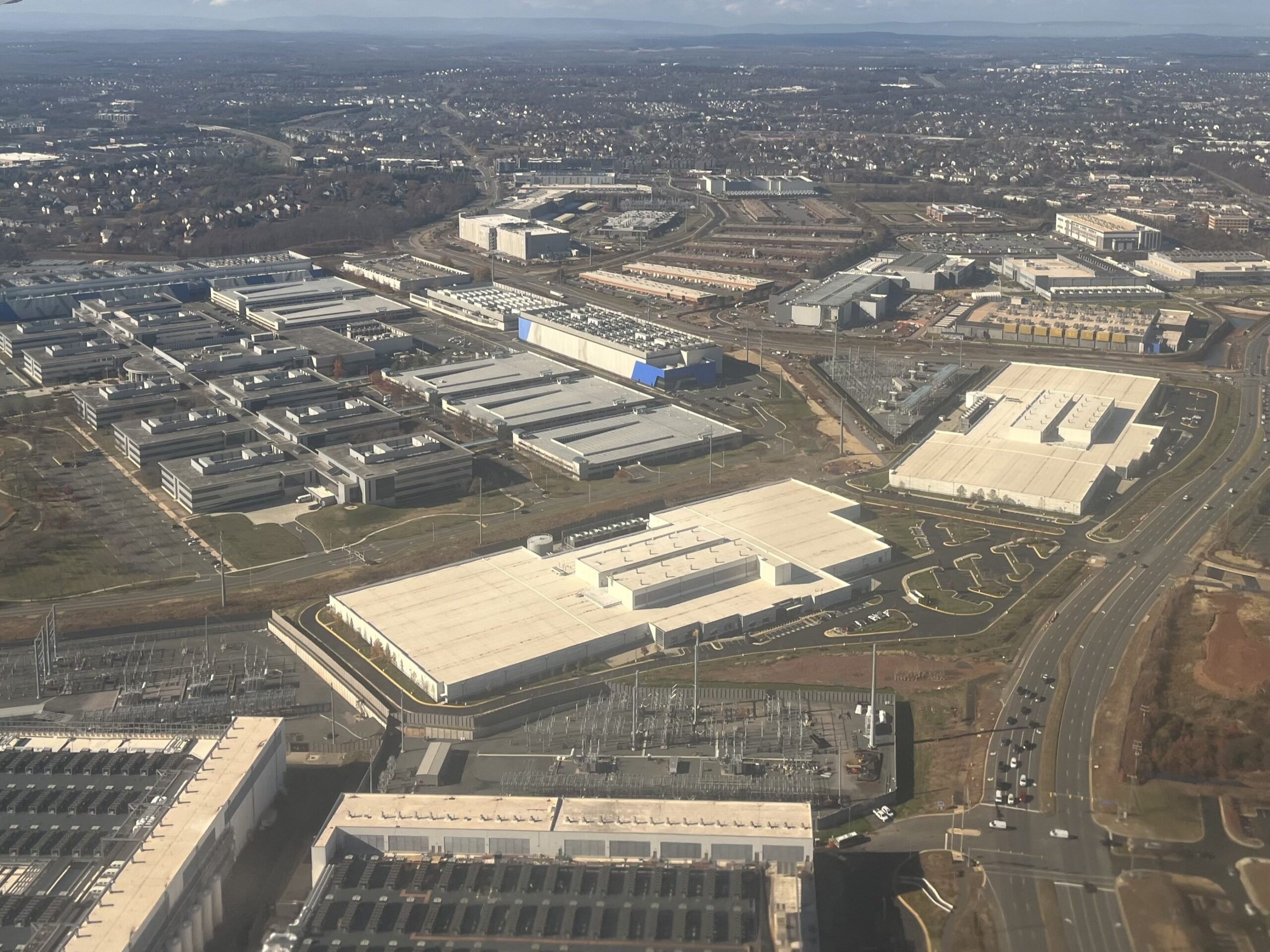 Rapid data center development is challenging local governments’ ability to manage the environmental challenges these facilities raise. Cities, towns, and counties are facing both uncertainty about the scope of those impacts and growing opposition to data centers from residents. In response, many are turning to temporary moratoria to pause data center development while they
Ohio’s Clean Energy Siting Conundrum: Local Government Opposition, Serving the Public Interest, and the Appeal that Might Solve the Puzzle
Clean energy siting across the nation is facing enormous challenges. Local opposition is widespread and rapidly increasing in many areas. One example is Ohio, where government opposition is a byproduct of state legislation and also the result of coordinated campaigns spreading mis- and dis-information about the impacts of renewable energy projects.
By the end of
Moving Sustainable Proteins Beyond Marketplace Bottlenecks: White Paper Release
 Climate advocates may hope to see dramatic commercial breakthroughs over the next several decades that reshape emissions-intensive components of our everyday lives, such as our dietary choices, household energy use, and transportation habits. Yet transforming these consumer sectors will require not only scientific ingenuity and entrepreneurial ambition, but also nimble competition policy to address complex
Financial Speculation in Capacity Markets Undermines the Energy Transition
 Compounding their significant climate and environmental harms, fossil fuels are also volatile commodities. In 2022, Russia’s invasion of Ukraine disrupted the supply of natural gas, causing prices to spike. More recently, the United States’ war on Iran resulted in the closure of the Strait of Hormuz, one of the most important oil and gas chokepoints