
Lord Mackay of Clashfern KT, who has died at the age of 99, was the last lord chancellor to serve all three branches of the constitution with distinction.
As a member of the executive, he spoke up for the judges in cabinet. As a member of the legislature, he held the role now occupied by the lord speaker. As a member of the judiciary, he presided over what was to become the Supreme Court. Separation of the powers it was not. But he managed to make it work.
It’s true that Lord Irvine of Lairg, who succeeded Mackay in 1997, sat as a law lord in a handful of relatively straightforward cases. But, unlike Irvine, Mackay had been appointed to the UK’s highest court on merit two years before he became lord chancellor in 1987. And unlike his immediate predecessors Lord Hailsham and Lord Havers, Mackay was a judge first and a politician second.
So when he was asked to serve as lord chancellor, a story went around that he had replied “for which party?”
That cannot have been true because Mackay had already spent five years as lord advocate, the Scottish law officer in Margaret Thatcher’s first government. But it makes the point that although a Conservative, he was far from conservative in some of his decisions — particularly when picking lawyers for advancement, which was the lord chancellor’s personal responsibility at the time.
Mackay appointed the first black QCs practising at the English bar in 1988. In 1991 he made Patricia Scotland the first black woman QC, even though at the extremely early age of 35 she did not think she was ready for such seniority. Baroness Scotland of Asthal was to become Gordon Brown’s attorney general and, later, secretary-general of the Commonwealth.
In 1994, Mackay appointed Brenda Hale as a High Court judge, although she had spent most of her career as an academic and a law commissioner rather than in practice as an advocate. He felt vindicated when she became president of the Supreme Court.
Mackay put Stephen Sedley into the High Court in 1992, even though Sedley’s politics were far to the left of his own. Sedley later became a lord justice of appeal. It is unlikely that these appointments would have been made as early as they were — perhaps even at all — if candidates had been required to apply to a panel of selectors, as happens now.
Not all his policies were well received; barristers fought a lengthy battle over his plans to give solicitors rights of audience in the higher courts. The bar lost — but the heavens did not fall in. In 1997, a litigant persuaded the High Court that Mackay’s increase in fees would unlawfully bar access to the courts. The lord chancellor put things right immediately.
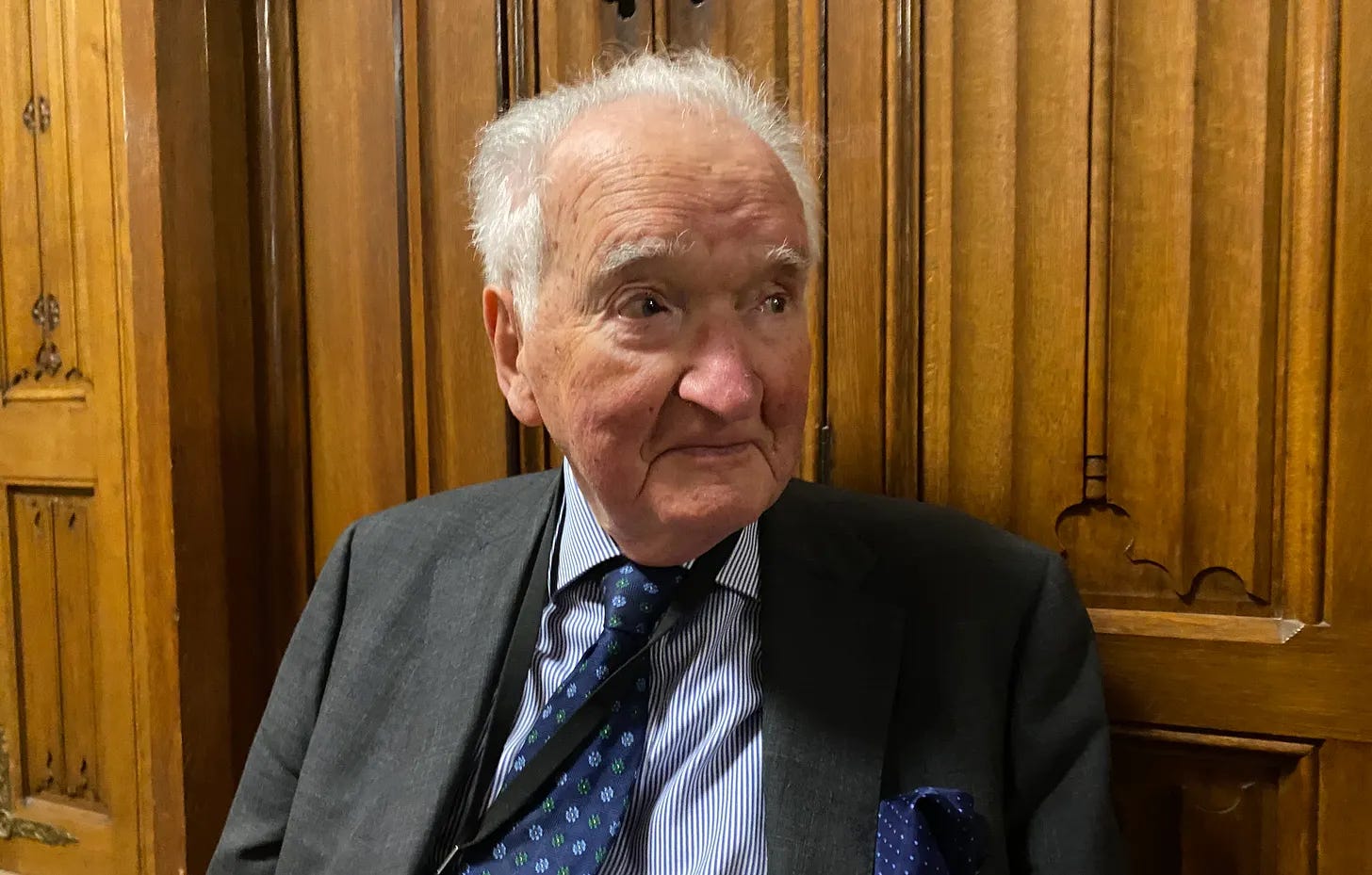
Mackay’s approach to politics was very different from what would be regarded as conventional today. As a person of faith, he never worked on Sundays. He had no need of spads — the politically appointed special advisers who now play such an important role in government. His department had only one press officer, who arrived when he did in 1987.
There were only two leaks from his office while he was lord chancellor, he told the Lords constitution committee in 2022. One happened when an official mistakenly included a confidential document in a letter posted to a reporter (not me, unfortunately). The other happened when a disaffected agency worker gave papers to the press.
Mackay himself never leaked information to journalists. He either spoke on the record or not at all. I remember his first news conference in November 1987 lasting for some two hours as he answered every question put to him. That was when he abolished the so-called Kilmuir rules, which were meant to stop judges speaking to the media.
He told me how pleased he was when the legal correspondents held a dinner in his honour shortly before he stood down after almost 10 years as lord chancellor. That had never happened before and would be unimaginable now.
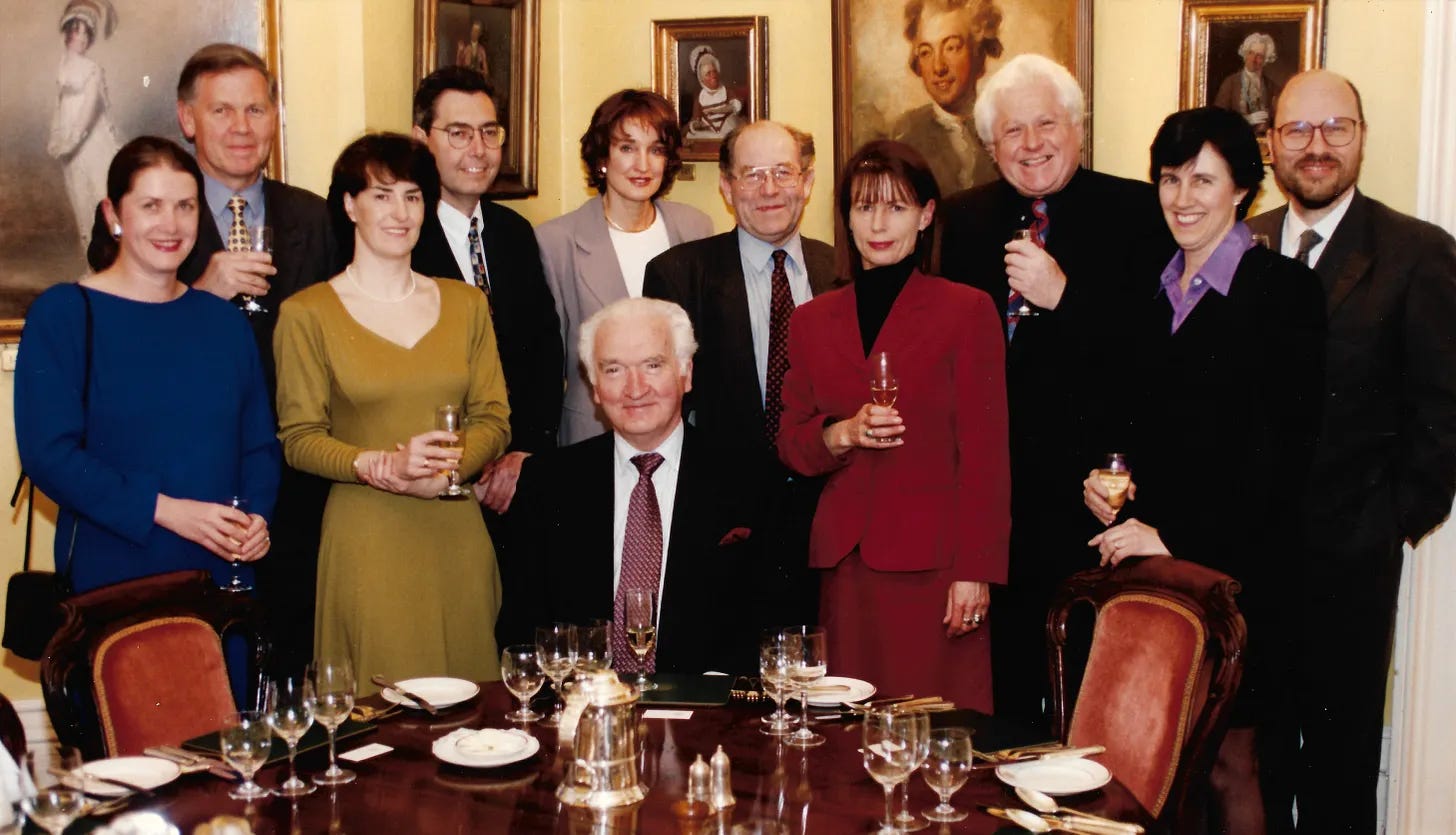
In his valedictory speech four years ago, Mackay summarised the many responsibilities he had once held. “All are now changed,” he said, “so I hope a record of them may be of interest.”
He concluded:
I wish to thank my family for all the support they have given me. Above all, I have to thank my dear wife of 64 years for her devoted support and wonderful patience. I have been twice appointed a life peer and, having reached 95 years of age, am now being given the opportunity to retire from membership. I do it with gratitude, and the happiest of memories, on 22 July.
I believe that I have been sustained until now by answers to what we pray for at our opening every day.
He thanked peers and they, in turn, thanked him.