
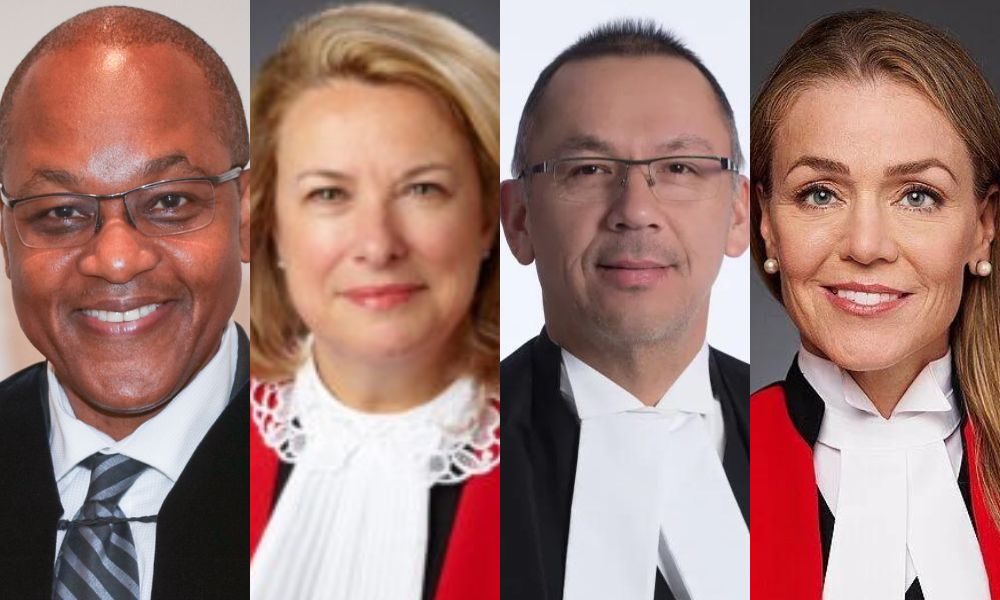
However, Justice Favel noted that there has been more recognition by the judiciary and governments of the need to make Indigenous people dealing with the court system more comfortable. One example is in British Columbia, where Indigenous sentencing courts assist offenders who have acknowledged responsibility for their actions to embark on a healing journey involving the victim and community support workers.
“It’s not the same typical courtroom structure,” he said, explaining that it may involve traditional ceremonies and the support of elders. Other setups to accommodate Indigenous culture can include everyone sitting on the same level, not a setup where judges sit up higher.
These examples illustrate that there has been a recognition that, in the past, the judicial system has not been very accommodating or comfortable for Indigenous people involved with the judicial system, and attempts are being made to change that, Justice Favel said. “These initiatives are welcome, but additional work still needs to be done.”
Marie-Anne Paquette, Chief Justice of the Superior Court of Quebec, says that building trust with those who become entangled with the legal system depends on how well it can accommodate those who encounter it.
However, she pointed out that “you cannot build trust” in a system stretched for resources. “If you want to build trust with people or groups [who have had] negative experiences or perceptions of what the justice system can bring to them, then the justice system and the judges and all the people involved have to be on their best behaviour.