

Popular drag queen and environmental activist Pattie Gonia is being sued for trademark infringement, and the internet is not quiet about it. Wyn Wiley took on the alter ego Pattie Gonia in late 2018 after posting a viral photo of herself hiking an outdoor trail in six-inch high heels. From that point forward, Pattie Gonia
Dorsey & Whitney LLP Blogs
Latest from Dorsey & Whitney LLP
Proposed CMS Rule Ramps Up Potential Medicare Fraud Administrative Remedies
On July 6, 2026, the Centers for Medicare & Medicaid Services (“CMS”) proposed a rule that would expand its administrative remedies to combat potential fraud. The proposed rule is the latest in a round of administrative actions that signal CMS’s intent to aggressively pursue allegations of Medicare and Medicaid fraud and heighten the risk of
California Attorney General Escalates Corporate Practice Enforcement in Medical and Dental Care
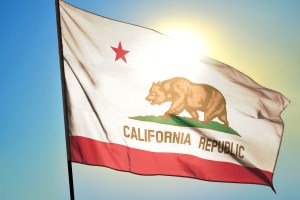 California has long maintained one of the country’s more developed prohibitions on the Corporate Practice of Medicine (“CPOM”) and the Corporate Practice of Dentistry (“CPOD”). Recent activity from California Attorney General Rob Bonta suggests that these doctrines are increasingly used as enforcement tools in arrangements involving management services organizations (“MSOs”), dental service organizations (“DSOs”), professional
FIFA’s Strict Trademark Enforcement: Could the Trademark Fair Use Exception Apply to the World’s Game?

The 2026 World Cup is in full swing across the U.S., Canada, and Mexico. FIFA closely guards the intellectual property surrounding the World Cup, including word marks associated with the tournament and even the trade dress of the official trophy. But FIFA’s strict enforcement of its IP rights could restrict the ability of businesses to
California Deepens Its AI Employment Oversight: New Workforce Tracking Tool Signals the Next Phase of Regulation
California continues to solidify its role as a national leader in regulating “AI” in the employment context. On June 25, 2026, Governor Gavin Newsom announced the launch of the “California AI-Unemployment Tracker,” a first-of-its-kind tool designed to monitor, track, and anticipate AI-related job loss trends in California. A publicly available dashboard developed in
The Use of AI for Autonomous Medical Decision-Making: Does Utah’s AI Prescription Renewal Pilot Program Go Too Far?
 This year, Utah commenced a contract with Doctronic to pilot a medication renewal program where Doctronic’s AI system autonomously authorizes refills for certain routine medications. The contract arranged for a partnership between the Utah Office of Artificial Intelligence Policy (Office) and the Utah Department of Professional Licensing (DOPL), who agreed to refrain from regulatory enforcement
Vermont Joins Growing Trend to Oversee Private Equity Investment in Clinical Care
 On June 15, 2026, Vermont Governor Phil Scott signed H.583 (“Act 133”) into law, making Vermont the most recent state to reinforce their Corporate Practice of Medicine doctrine by restricting private equity and hedge fund influence over clinical decision-making. The legislation follows a flurry of interest from states inspired by similar legislative action
Innovation at the USPTO! New Agentic AI and Image Search AI Features Seek to Improve the Trademark Application and Examination Process for Applicants and Examiners

The noise around AI adoption in the legal industry has reached deafening levels. Seemingly every other week one of the major players such as Anthropic, Harvey, or Legora announces a new model, plugin, platform, or tool to improve legal workflows, or a law firm announces firmwide adoption of the same. In some cases, law firms
New Bird on the Block: Operation Bluebird and X Corp.’s Fight over Twitter Trademarks

Operation Bluebird, Inc. (“Bluebird”) and X Corp. are locked in a dispute over the future of the Twitter brand, stemming from the platform’s rebrand from “Twitter” to “X” in 2023. The TMCA covered the rebrand.
In December 2025, Bluebird filed a petition with the Trademark Trial and Appeal Board (the “Board”), seeking to cancel
Dorsey Takes London: Highlights from the INTA Annual Meeting

The Dorsey Trademark, Copyright + Advertising team and the IP Litigation team attended the 2026 International Trademark Association Annual Meeting in London. The Dorsey team was represented by seventeen attorneys from Dorsey’s Minneapolis, Denver, Seattle, Dallas, New York, London, Hong Kong, and Beijing offices. We thoroughly enjoyed our time in London and want to share