
I’ve been building AI systems for months now, and I’m still amazed by just how many “judgment-heavy” steps you can delegate to AI—if you set things up right.
It’s not that AI does ONE magic thing. It’s that you can now delegate (note I said DELEGATE, not “surrender”) an ENTIRE PROCESS that used to require human judgment at every step.

I can show you how to hand AI a complex, multi-step mission — the kind we used to assume only a smart human could handle. Not just ‘summarize this document’ but ‘monitor these industries, figure out what matters to my clients, research the implications, and create intelligence reports.’
Two Hypothetical Examples (Based on Real But Confidential Projects)
✅ 👩🏼💼 New GC at Acme? You Knew First
You want to know every time a new General Counsel gets appointed at 200 target companies? Google Alerts are useless – you get job postings, think pieces, or announcements about former GCs joining boards.
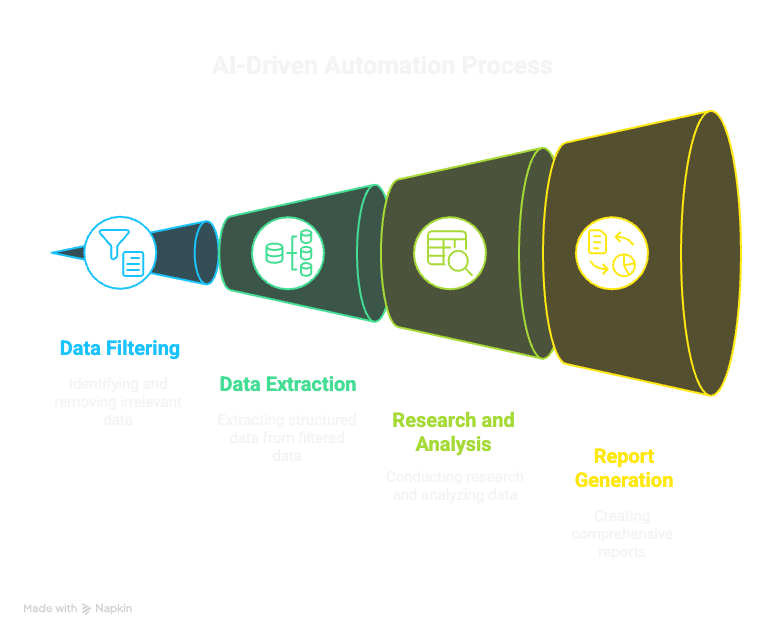
So instead, we build you a system that:
-
monitors hundreds of sources,
-
filters out junk (“Is this really about a GC appointment?”),
-
extracts key data,
-
researches what’s happening at the company,
-
backgrounds the new GC, and
-
delivers weekly intelligence reports.
🏛️ ⚖️ Regulatory Changes? Your Clients Hear It From You First
You represent restaurant owners who want protection from regulatory surprises, not explanations of every legislative bill coming out of committee.
So we build you a system that:
-
monitors regulatory sites across jurisdictions,
-
filters for restaurant-relevant updates,
-
summarizes rules in plain English,
-
scores urgency using simulated restaurant-owner personas,
-
tracks patterns across states,
-
drafts client alerts, and
-
revises them for clarity.
Result? You look like the person who already saw it coming.
The Big Question
What are the processes in your practice that pay the bills but require you or someone you trust to make a bunch of decisions along the way? The ones where you think ‘I’d love to automate this but it’s too complex’?
Because I’m betting a lot of those ‘too complex’ processes just became possible. Let me know if you want to set up 📆 a 30 minute FREE call 💬 to talk this through. Email me at adam@lawsnap.com or click here to set up a time.