
Sick with Legionnaires?
Call (612) 337-6126
 Elliot Olsen has regained millions of dollars for clients harmed by Legionnaires’ disease. If you or a family member contracted Legionnaires at a Chicago hospital, please call (612) 337-6126 for a free consultation.
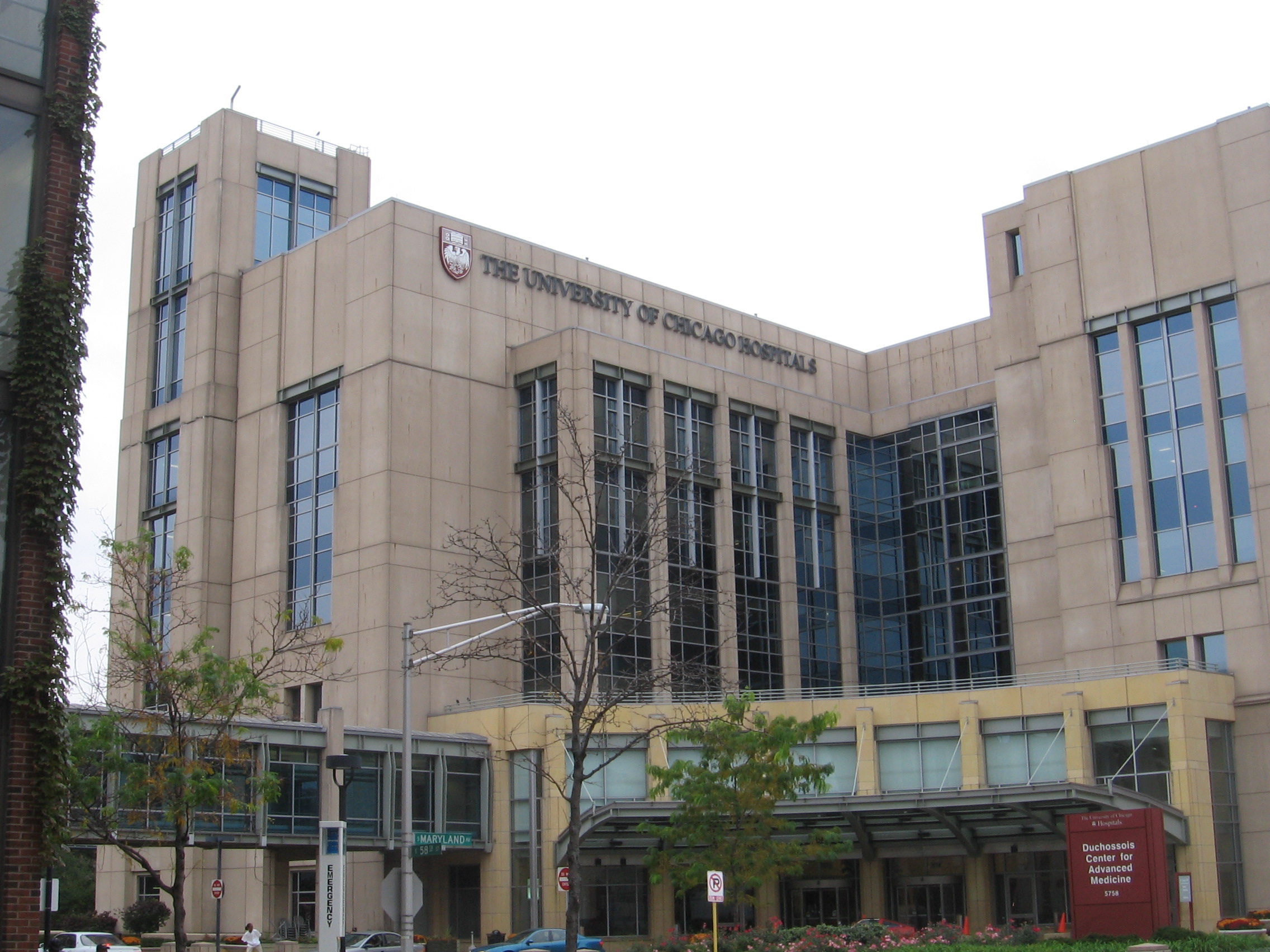
Illinois health officials announced that they are investigating two cases of Legionnaires’ disease at a Chicago-area hospital – and for the second consecutive week. This time, the University of Chicago Medical Center (UChicago Medicine) is at the center of the inquiry.
On April 26, the Illinois Department of Public Health (IDPH) reported that two patients at Mercy Hospital and Medical Center on the city’s Near South Side were diagnosed with the potentially deadly respiratory illness.
Two patients at UChicago Medicine were diagnosed with the disease, but hospital officials said both were only at the facility for a limited time during their “risk period,” so it’s still unknown whether the hospital is the source of the bacteria that caused their illnesses.
Both patients received care at other facilities before UChicago Medicine, but the IDPH did not name them.
Environmental tests conducted during their stays at UChicago Medicine were negative for Legionella, the bacteria that causes Legionnaires’ disease.
The IDPH is investigating the Hyde Park neighborhood medical center, located at 5841 South Maryland Avenue, as is the Chicago Department of Health (CDPH) and hospital officials.
Hospital staff has begun surveillance to identify if other patients have been infected.
Water management problematic
A 2017 report from the Centers for Disease Control and Prevention (CDC) said Legionnaires’ disease is widespread in long-term care facilities – and 75 percent of those cases could be prevented with better water management.
“In health-care facilities, people are more vulnerable and more likely to get sick if they are exposed to the pathogen,” Anne Schuchat, then-acting director of the CDC, said in 2017.
Both UChicago Medicine and Mercy Hospital officials report their facilities are following the CDC’s water-management guidelines.
Legionnaires info
Legionnaires’ disease – also called Legionella pneumonia and legionellosis – is a severe type of pneumonia or lung infection caused by Legionella. The contaminated bacteria is contracted by inhaling microscopic water droplets, usually in the form of mist or vapor.
The disease is treatable with antibiotics, but if it is not diagnosed early, it can lead to severe complications and even can become deadly.
High-risk groups
Most people exposed to Legionella do not get sick, but people 50 years old and older – especially those who smoke or have chronic lung conditions – are at a higher risk.
Other people more susceptible to infection include:
- recipients of organ transplants
- individuals who are on specific drug protocols (corticosteroids, to name one)
- heavy drinkers of alcoholic beverages.
This list also includes anyone with an immune system weakened by:
- frequent and recurrent pneumonia, bronchitis, sinus infections, ear infections, meningitis or skin infections
- organ inflammation and infection
- blood disorders, such as low platelet counts or anemia
- digestive problems, such as cramping, appetite loss, diarrhea, and nausea
- delayed growth and development.
Difficult diagnosis
According to the CDC, an estimated 25,000 cases of pneumonia due to Legionella occur in the United States every year. However, only 5,000 cases are reported because of the disease’s nonspecific signs and symptoms.
Legionnaires’ disease symptoms are similar to those of other types of pneumonia, and they can even resemble those of influenza (flu):